
Distinctive - Specialized Capabilities
The primary purpose of HSF is to maintain the highest level of customer satisfaction by conducting all processes in its own facility in accordance with aerospace standards.
HSF special processes include the following:
Heat Treatment,
Chemical Surface Treatment - Ultrasonic,
Chemical Surface Treatment - Vapor,
Grit Blasting,
Lubrication (Solid Film),
Lubrication (Cetyl Alcohol),
Passivation,
Fluorescent Penetrant Inspection,
X-Ray (Radiography) Inspection - 130Kv
Ultra-Slow Motion Record: AQL: 100 % AQL (0.00 RQL), Material: Superalloy, Titanium, CRES, Thickness: 0.50mm, Strainer OD: 0.80mm, Hole-Qty: +3000 (NDA), Measuring Lens: 4X - 60X
Impartial Quality Control Process Approval and Continuous Improvement
HSF's precision machining and forming capability is well-suited for a majority of metals, including superalloys, stainless steel, as well as tough, heat-resistant nickel alloys and titanium alloys. In addition to HSF's machining capabilities for sheet metal parts, we always invest in new processes and industry developments to meet the high-standard requirements of the aviation industry in the fabrication field.
AMS2750 REV.H PYROMETRY
Working Temperature: 2250 F (1400 C),
International Standard: AMS2769, AMS2759 (1,-11), AMS2801, AMS2774,
Process Management: AMS2750 Rev.H,
Thermocouple Calibration: ASTM E220-19 2912 F (1400 C)
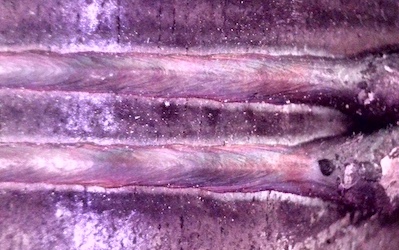
MICRO LASER WELDING INSPECTION
Continuous Laser Source: 2000 W,
Standard: AWS C7.4/C7.4M:2017,
Control System: Four-Axis Micro Control,
Welding Inspection Microscope: 100X, 500X, 2000X, Lens UV and IR Inspection Tools
SURFACE ROUGHNESS INSPECTIONS
Standards: ASME B46, ISO21920,
Application: Thread and Surface,
Precision: Roughness Measuring 0,001um,
Acceptance Rule: 16 % tolerance acceptance rule (T16%)
QCPA MANEGEMENT SYSTEM
International Standard: AS9100, ISO17025 and AS93100 Requirements, designed and programmed by the HSF IT Team
Electronic, avionic, and chemical products are not in HSF production and commercial capabilities.
Project Management,
Process Approval & Reporting,
Production Management,
Quality Control Management,
Supplier & Customer Management,
Risk Management,
Failure Management,
Corrective Action and Root Cause,
Internal Audits and Management Review.
3D SURFACE INSPECTIONS up to 10X
Applicable Inspections: Surface or coating defects. 3D Lens Capability: Maximum 50X imaging and the ability to go below the Micron level. Imaging Rule: IR or UV imaging features to fully diagnose surface defects and report the image in video or image format.
STRAINER-NOZZLE PRODUCTION (Ultra-Slow-Motion)
AQL: 100 % AQL (0.00 RQL),
Material: Superalloy, Titanium, CRES,
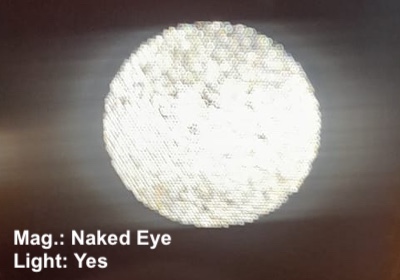
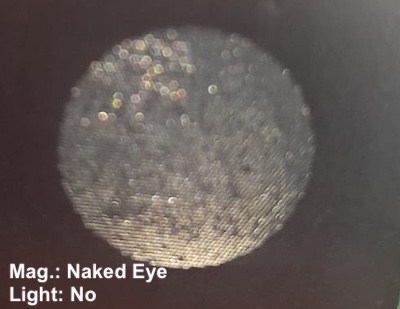
Thickness: 0.50mm, Strainer OD: 0.80mm, Hole-Qty: +3000 (NDA), Measuring Lens: 4X - 60X
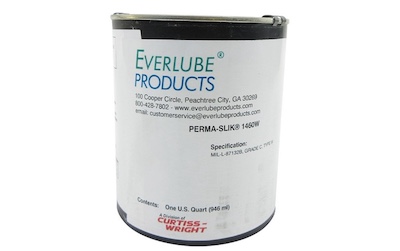
LUBRICANTION - CETYL ALCOHOL
International Standard: AS87132, BS EN 6117,
Brand: Everlube速 Curtiss Wright,
Color Standard: AMS-STD-595B (2026)
HSF preferes Curtiss-Wright Surface Technologies products (Everlube) for Cetyl-Alcohol Lubrication processes.
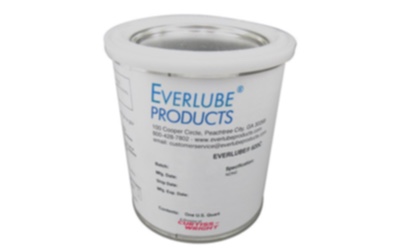
LUBRICANTION - SOLID FILM
International Standard: AS5272, AS5528,
Brand: Everlube速 Curtiss Wright,
Color Standard: AMS-STD-595B (2026)
HSF preferes Curtiss-Wright Surface Technologies products (Everlube) for Solid Film Lubrication processes.
COATING - ALUMINUM PIGMENT
International Standard: NAS4006, MIL-C-85614, EN4473, EN4474
Brand: Everlube速 Curtiss Wright,
Color Standard: AMS-STD-595B (2026)
HSF preferes Curtiss-Wright Surface Technologies products (Everlube) for Aluminum Pigment Coating processes.
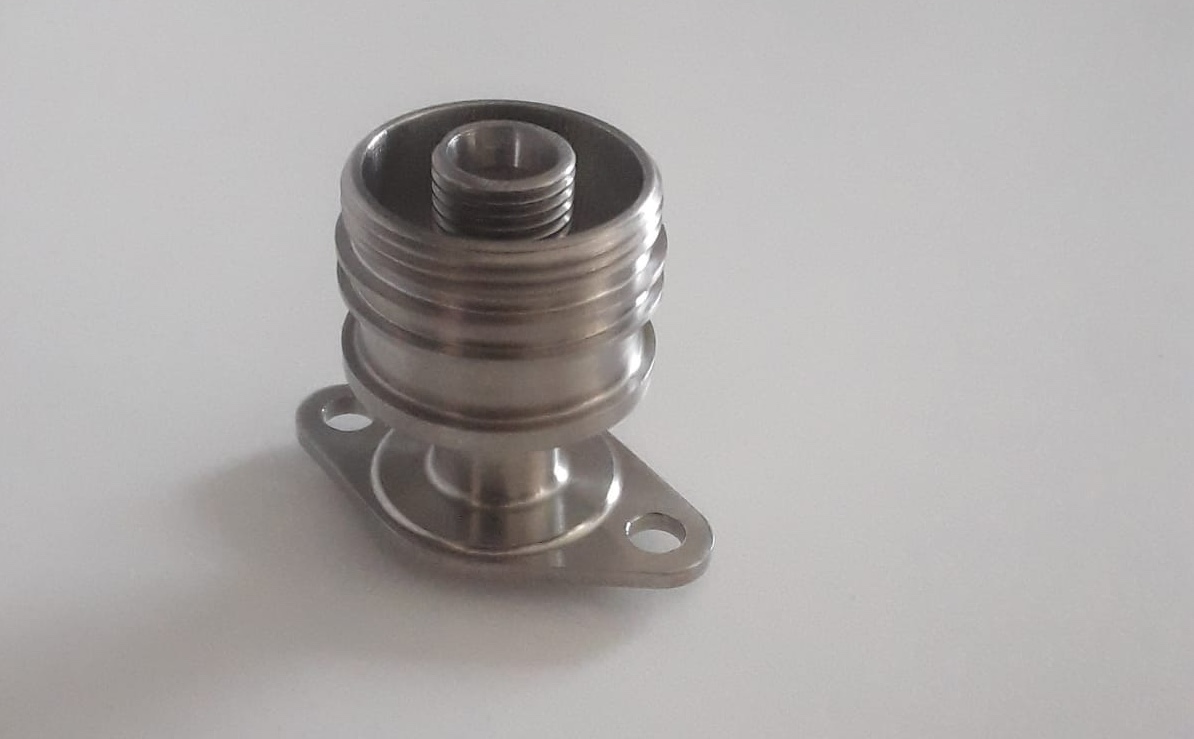
PASSIVATION
International Standard: SAE AMS2700, AMS-STD-753, ASTM A967/967M, ASTM A380/380M
HSF passivation capability outlines procedures for ensuring metal components, particularly stainless steel,
are protected from corrosion by creating a passive oxide layer. This policy typically includes guidelines for
cleaning, chemical treatment, inspection, and testing to maximize corrosion resistance.
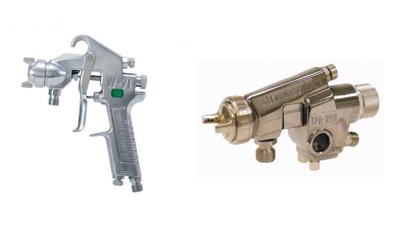
AUTOMATIC & MANUAL SPRAYING SYSTEM
HSF PREFERS ANEST IWATA SPRAY TOOLS FOR SPRAYING PROCESSES. The biggest advantage of the Anista Iwata Spray systems is high precision and heat-treated stainless steel nozzles and needles. When spraying waterborne or very acidic materials these heat treated components may become oxidized without proper maintenance. For this reason, both OEM-level and approved lubricant manufacturers recommend Anista Iwata spray guns
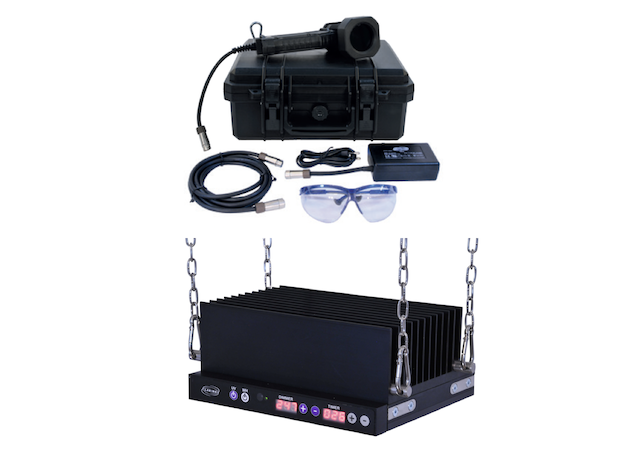
PENETRANT INSPECTION - BLACK LIGHTS
International Standard: AMS2647, AMS2644
Process Standard: EN-ISO 9712, NAS410, DIN-EN 4179, ATA Specifications 105
Light Standard: ASTM E3022, ISO 3059
Intensity: ≈ 4,500 μw/cm2
Visible Light < 1 Lux / 0.09 fc
Beam Size > 1,200 µw/cm2 - 260 mm x 180 mm *At a distance of 38 cm (15")
UV & White Light Meter: 50 000 µW/cm²
Calibration Traceable to NIST - ISO17025
Approvals: Rolls-Royce RRES 90061, Airbus AITM6-1001, Pratt & Whitney, Boeing
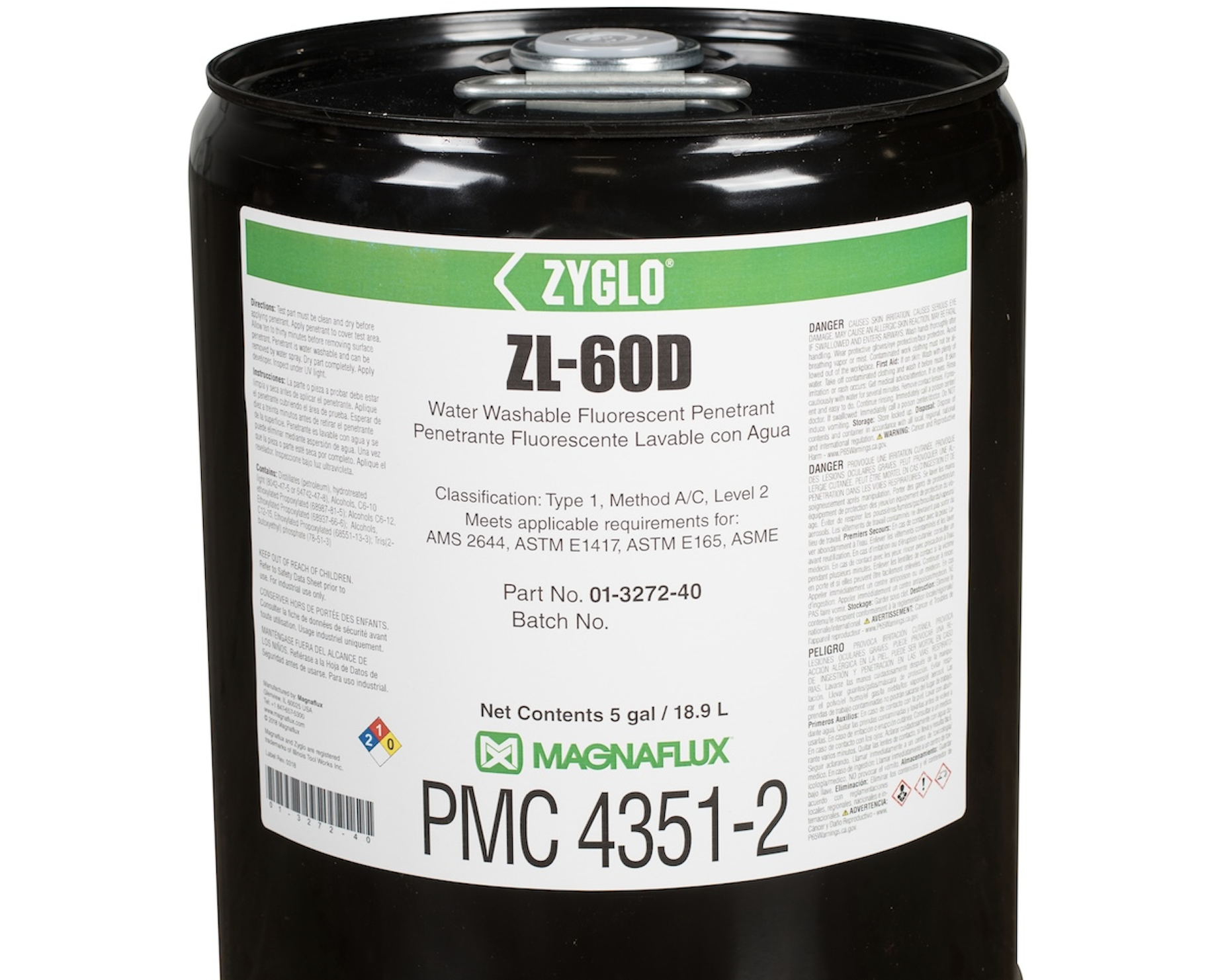
FLUORESCENT PENETRANT INSPECTION
International Standard: AMS2647, AMS2644
Process Standard: EN-ISO 9712, NAS410, DIN-EN 4179, ATA Specifications 105
Penetrant Level: Level 2 and Level 3
Approvals: • AECL • AMS 2644 • ASME BPVC • ASTM E1417 • ASTM E165 •
Boeing BAC 5423 PSD 6-46 or 8-4 • Boeing PS-21202 • GE P3TF2 • GE P50YP107 •
Honeywell EMS 52309 • ISO 3452-2 • MIL-STD-2132 • MIL-STD-271 •
NAVSEA T9074-AS-GIB-010/271 • Pratt & Whitney PMC 4350
Safety Documents Product Data Sheet and Safety Data Sheet
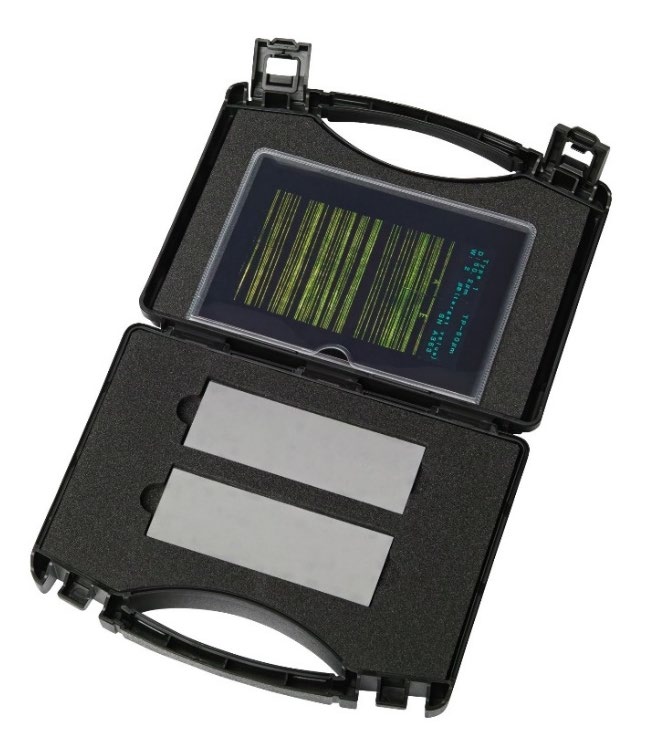
FLUORESCENT PENETRANT TEST PANEL
International Standard: AMS2647, ASTME1417, ISO3452
Process Crack Depth: 10, 20, 30, 50 microns
Requirement: The Eishin Ni-Cr (Nickel-Chrome Plating) Type 1 Test Panels are designed for comparing and evaluating the sensitivity and performance of dye and fluorescent penetrants.
Data Sheet Product Data Sheet
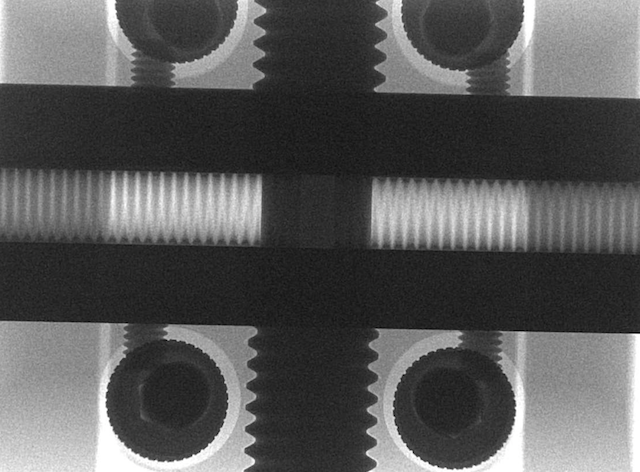
X-RAY (RADIOGRAPHY) INSPECTION
International Standard: ASTM E2007, ASTM E2033, ASTM E1255, ASTM E1742, ASTM E2104, ASTM E1030
Requirement: REAL-TIME RADIOGRAPHY – RADIOSCOPY: A two-dimensional image is displayed on a computer monitor in real time through software. This technique does not involve the creation of a latent image; instead, the unabsorbed radiation is converted into an optical or electronic signal, which can be viewed immediately or can be processed in near real time with electronic and video equipment.
COLOR MANAGEMENT - AMS-STD-595B (2026)
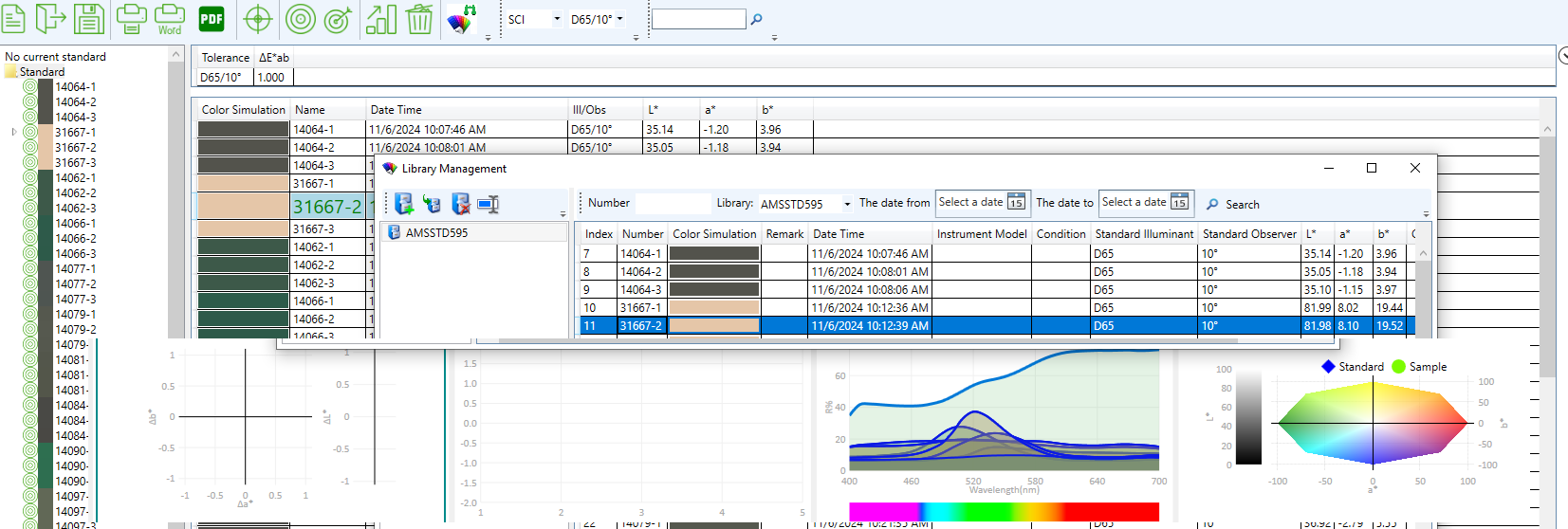
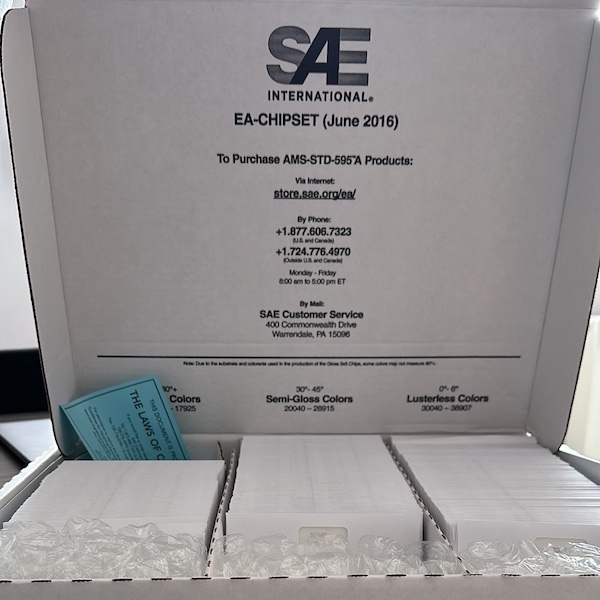
Unless otherwise specified in the procurement standard, HSF applies and accepts the AMS-STD-595B (2026) Standard for the approval criteria of the coating and lubrication processes. According to the AMS-STD-595B (2026) Standard, the color values are defined with CIE L*a*b* color values. The color values specified in this Standard are valid for lubrication processes applied by HSF and coating processes performed by external providers.
AMS-STD-595B (2026) Standard defines a color index system used by, but not limited to, government activities in a format suitable for color identification, color selection, color matching, and quality control inspection. It also describes the designation and use of color media that is available to conduct these activities.